
Bishkek, Oct. 6, 2026 /Kabar/. As of June 30, the area of land dedicated to organic agricultural production in Kyrgyzstan reached 101,358 hectares. At the beginning of the year, this figure stood at 61,500 hectares. Ministry of Water Resources, Agriculture, and Processing Industry reports.
Developing organic agriculture is a priority area of state policy in the agrarian sector. The country is improving its legislative framework, developing an organic product certification system, enhancing farmers' knowledge, and strengthening cooperation.
According to the state program, there are plans to increase the area of land used for organic production to 200,000 hectares by 2029. One mechanism for developing organic production is the Participatory Guarantee System (PGS), which enables small-scale farmers to transition to organic farming collectively and reduces costs compared to individual international certification.
A series of measures to foster this sector were adopted in 2026. Under Presidential Decree No. 40 of February 11, 2026, the last Friday of September was designated as National Organic Agriculture Day. Additionally, a Program for the Development of Organic Production for 2025–2029 was approved.
Furthermore, a unified standard facilitating the free circulation of organic products has been approved among Central Asian states. The work to harmonize the national legislation of countries is ongoing in the region.
Organic products from Kyrgyzstan are currently exported to more than 30 countries. Expanding production creates new opportunities for domestic farmers to access new markets and boosts the country's export potential.
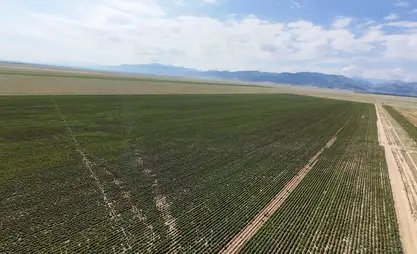
Attracting private investment plays a vital role in the sector's development. On October 6, the "Talas Organic" agro-complex spanning 300 hectares is scheduled to open in Ak-Bashat village, located in the Aitmatov district of Talas region.
This project was one of the first major production facilities in the region to obtain international organic certification. Organic potatoes are grown on 35 hectares of the complex's grounds and are already being exported to Kazakhstan.
The ministry of agriculture notes that the development of organic agriculture aims to do more than just increase the output of eco-friendly products; it also helps raise rural incomes, create new jobs, expand opportunities for farmers, and boost the country's export potential.