
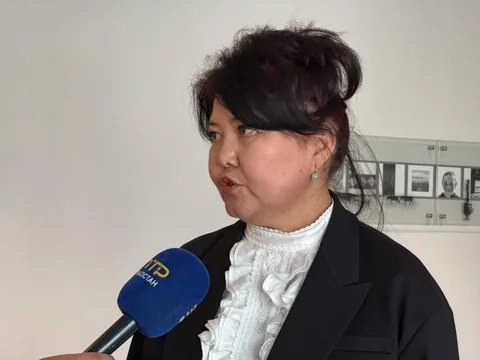



Bishkek, Oct. 22, 2025. /Kabar/ – For the first time, Kyrgyzstan is holding a high-level discussion on the growing burden of noncommunicable diseases (NCDs), which account for 80 percent of all adult deaths in the country, according to Alina Altymysheva, National Officer of the World Health Organization (WHO) in Kyrgyzstan.
She noted that the four main types of NCDs are cardiovascular diseases, cancer, diabetes, and chronic respiratory diseases. Major risk factors include alcohol abuse, tobacco use, unhealthy diets, and low physical activity.
“One in three adults in Kyrgyzstan has high blood pressure, but many are unaware of it. Thirty percent of adults have never measured their blood pressure, and among men, this figure reaches 40 percent. Early detection of hypertension can reduce the risk of heart attack and stroke by two to four times,” Altymysheva said.
She added that poor dietary habits and sedentary lifestyles worsen the situation. Around 75 percent of the population do not consume the recommended five servings of fruits and vegetables per day, and 68 percent fail to engage in at least 30 minutes of daily physical activity. Additionally, one in five people adds extra salt to their food without tasting it first, increasing the risk of hypertension.
The WHO recommends implementing stronger fiscal measures to reduce health risks. “In Kyrgyzstan, alcohol remains available 24/7 and is relatively inexpensive. It is necessary to raise taxes, restrict hours and locations of sale, and consider increasing the legal age for purchasing alcohol,” Altymysheva emphasized.
She also drew attention to sugar-sweetened beverages, one of the main drivers of diabetes cases. Nearly one in ten people over 40 in Kyrgyzstan has elevated blood sugar levels.
“The government bears significant healthcare costs for treating diabetes complications, from vision loss to amputations. Taxation of unhealthy products and early promotion of healthy habits can help reduce these costs,” she added.