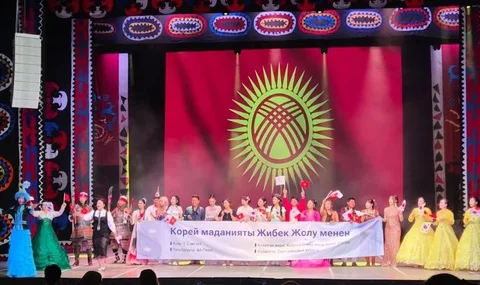

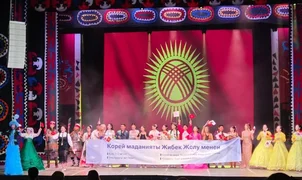

Bishkek, Aug. 3, 2026. /Kabar/. The Kyrgyz National Academic Opera and Ballet Theatre named after Maldybaev hosted the international music project “Korean Culture Along the Silk Road,” bringing together performers from Kyrgyzstan, the Republic of Korea, China, Peru, and several other countries.
The large-scale cultural event highlighted the power of the arts to strengthen international cooperation and foster mutual understanding among nations.
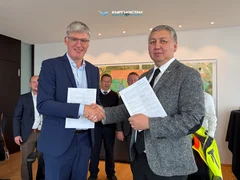
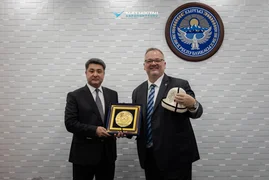
The project was initiated by the Central Asian Association of Culture and Arts Ai-Peri with the support of the Seoul Metropolitan Council. Following the successful launch of the festival in Kazakhstan last year, the cultural initiative continued its journey across Central Asia, with Kyrgyzstan becoming its next destination.
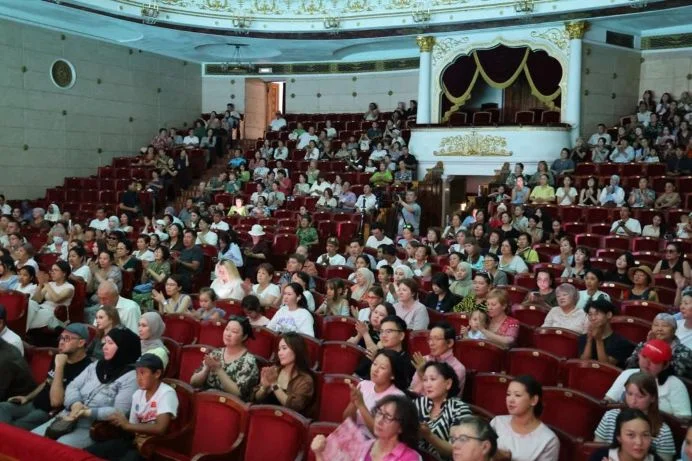
Over the course of two days, audiences enjoyed a vibrant program featuring traditional and contemporary music, national dances, vocal performances, and instrumental compositions.
The stage became a meeting place for diverse cultural traditions, showcasing the rich musical heritage of the Silk Road countries while emphasizing the importance of cultural dialogue through the arts.
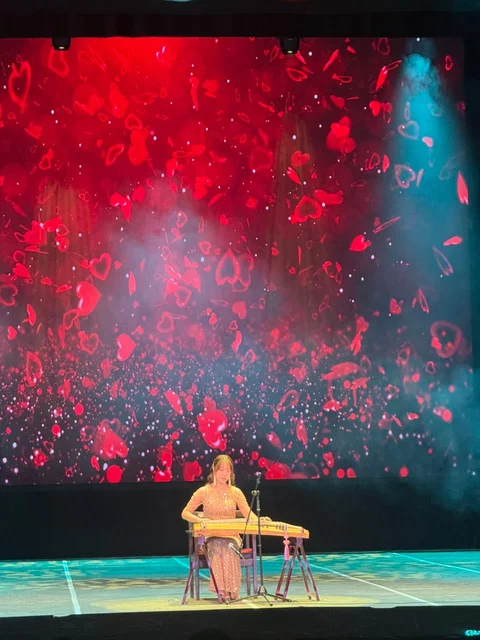
Particular attention was drawn to performances highlighting Korea’s traditional culture. The sounds of traditional Korean instruments, folk songs, and colorful dance performances introduced audiences to centuries-old cultural traditions, while modern musical acts demonstrated the seamless harmony between heritage and contemporary creativity.
One of the evening’s highlights was the energetic performance by the K-pop dance group Navillera, whose dynamic stage presence earned enthusiastic applause from the audience.
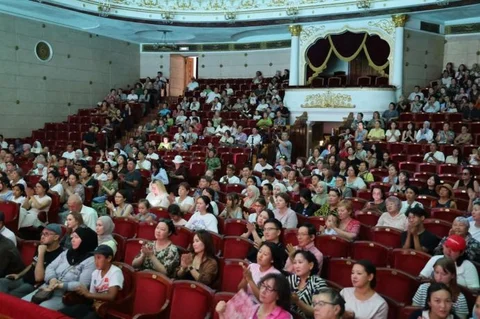
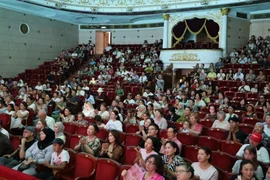
The concert generated significant interest among young people, especially fans of Korean culture. For many attendees, the event was more than a concert—it became an inspiring cultural experience.
Fourteen-year-old Bishkek resident Salamat, who has been studying the Korean language for nearly three years, is passionate about Korean music and cinema and dreams of pursuing higher education in the Republic of Korea.
Attending the festival was the fulfillment of a long-held dream. “I still can’t believe I had the chance to attend such an amazing concert. For me, K-pop is much more than music—it’s a language, a culture, and a dream I aspire to. After this evening, I feel even more motivated to continue studying Korean and one day visit Korea. This concert gave me incredible inspiration,” Salamat said.
Another audience member, Bishkek resident Aizada Alieva, also shared her impressions, praising both the atmosphere and the high artistic quality of the performances.
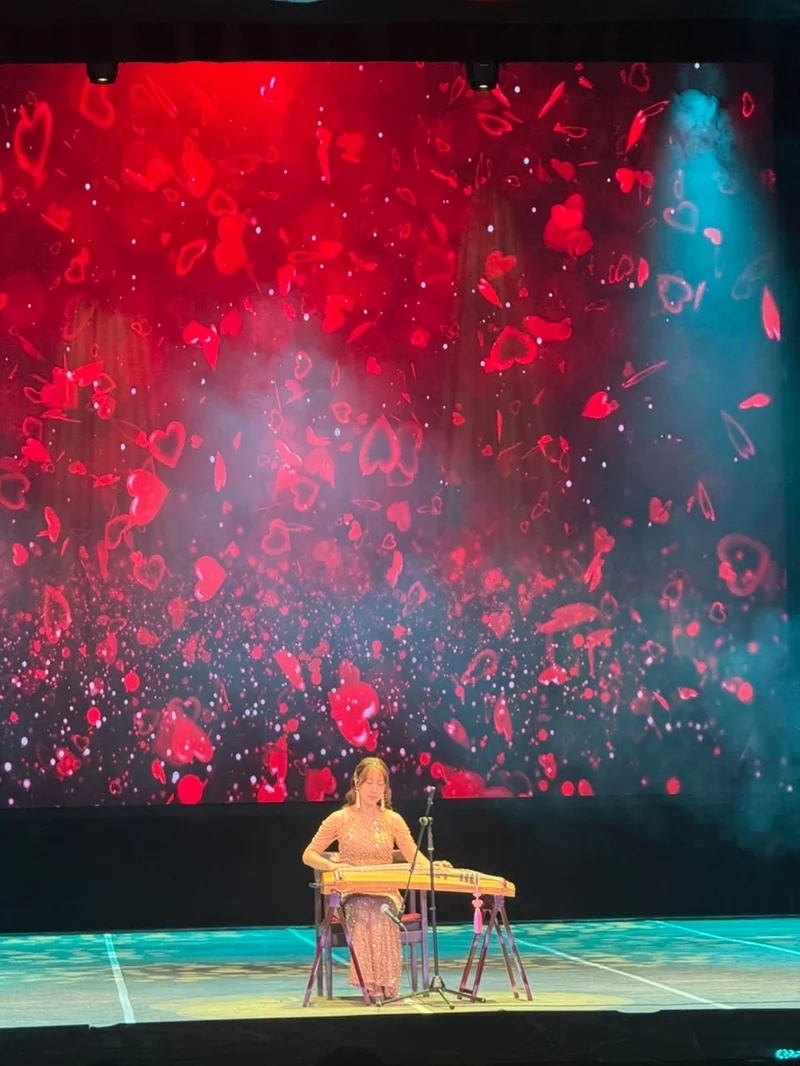
“I was especially impressed by the traditional cultural performances. The folk songs were so heartfelt that no translation was needed—you could understand them through emotion alone. The instrumental music was powerful and unique, while the dancers captivated the audience with their grace and elegance. The performance by Navillera was truly outstanding. The entire concert felt like a joyful celebration and a genuine bridge of friendship between our countries,” she said.
According to the organizers, the project’s primary goal is to strengthen cultural ties, promote international cooperation, and encourage mutual understanding through music, dance, and the arts.
A distinctive feature of this year’s festival was its emphasis on cultural dialogue among the countries of the Silk Road by bringing together traditional and contemporary artistic expressions. The project’s concept is built on discovering shared cultural values and creating opportunities for meaningful artistic exchange between performers from different nations.
The concert concluded with collaborative performances by artists from different countries, symbolizing unity through culture and demonstrating the unique ability of music to transcend linguistic and national boundaries. The audience’s standing ovation reflected the growing importance of international cultural initiatives that bring people together through the universal language of art.
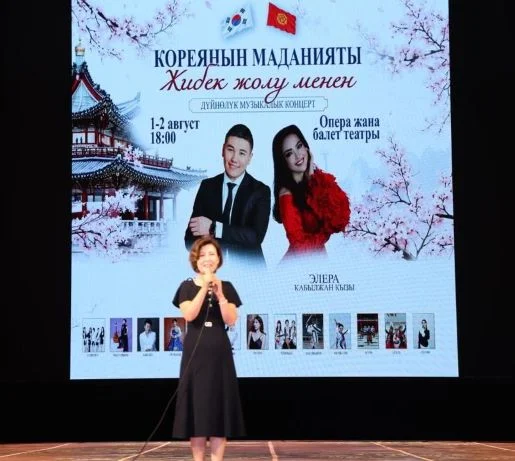
The event was organized by the Central Asian Association of Culture and Arts Ai-Peri, an organization that has been promoting cultural cooperation between the countries of Central Asia and the Republic of Korea since 2013. The association was founded by Aisuluu Ashyralieva, a native of Kyrgyzstan who currently serves as a member of the Seoul Metropolitan Council and Vice Chair of its Committee on Culture, Sports, and Tourism.