Bishkek, Oct. 17, 2025. /Kabar/. On October 13-14, representatives from the Kyrgyz Republic joined leaders from across Europe and Central Asia in a two-day regional ministerial conference dedicated to ending violence against children, UNICEF said in its press release.
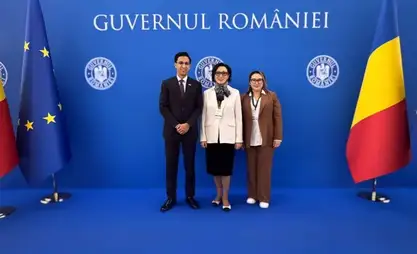
The conference, hosted by the Ministry of Labour, Family, Youth and Social Solidarity of Romania, in partnership with UNICEF and the Special Representative of the UN Secretary-General on Violence Against Children, brings together governments, experts, and young people to share practical solutions that keep children safe and families strong.
“Ending violence against children is one of the priority directions of child policy in our country. We must decisively strengthen the system of protecting children from all forms of violence: physical, psychological, sexual, as well as in the digital environment," said Ainura Orozbaeva, Deputy Minister of the Ministry of Labour, Social Welfare and Migration during her address at the Conference.
In Kyrgyzstan, while only 7 per cent of parents believe violence is necessary in raising children (MICS, 2023), many more still rely on physical violence or psychological aggression, particularly affecting the youngest children. This shows a clear need for greater investment in helping parents learn positive, non-violent ways to guide children’s behaviour and strengthen family relationships.
The event aims to strengthen regional momentum to eliminate all forms of violence against children and to highlight concrete progress and promising practices in prevention and early intervention when there are signs of distress or harm, justice and alternative care reforms that aim to support children and families in community-based care, and investments in the workforce required to achieve and sustain results.
The Kyrgyz delegation presented the country’s commitments and progress made since the 1st Global Ministerial Conference on Ending Violence Against Children, held in Bogotá in 2024. Deputy Minister Orozbaeva highlighted the growing political will to end all forms of violence and the recruitment of 550 new child protection social workers who will be providing vital support to families and caregivers across the country.
“Every child in Kyrgyzstan has a right to grow up surrounded by caring guidance, love, and respect,” said Samman J. Thapa, UNICEF Kyrgyzstan Representative. “We are committed to working closely with the government to build systems where families and parents are supported, communities are empowered, and children can thrive without fear.”
As part of the conference, a group of children from Romania has presented the outcomes of a regional consultation held earlier in October with peers from EU Member States and other countries in Europe and Central Asia, sharing their views, opinions, and recommendations on preventing and responding to violence against children.
The urgency of ending violence against children is underscored by recent data showing that up to 69 per cent of children aged 1 to 14 in countries and territories with available data in Europe and Central Asia experience violent discipline, including physical punishment or psychological aggression. Globally, nearly 90 million children and women alive today have experienced sexual violence during childhood.
As part of the conference, UNICEF Europe and Central Asia Regional Office has launched a new report Where we live and learn: Violence against children in Europe and Central Asia, presenting the latest data on violence against children in the region.
“Ending violence against children is possible, and it makes economic sense. Violence can be prevented if we act collectively and differently, with a whole-of-government and whole-of-society approach,” said Dr. Najat Maalla M’jid, Special Representative of the UN Secretary-General on Violence against Children.
As part of its global pledge to end violence against children, UNICEF has outlined four key areas of action: enhancing data collection and monitoring in over 50 countries, expanding specialized response services, supporting governments in creating safe and inclusive school environments, and empowering families through evidence-based parenting and caregiver support programs.