



Kyrgyzstan's climate diplomacy is demonstrating significant results on the international stage. Following major climate conferences, a commitment was approved to mobilize at least $1.3 trillion annually by 2035 to address the effects of climate change.
A significant achievement was the decision to host the World Global Mountain Summit in Kyrgyzstan in 2027. In preparation, an international Mountain Science Center will be established in the country. The new site will become a key hub for the global scientific community, providing scientists with all the necessary conditions for conducting large-scale research in the field of sustainable mountain development.
According to experts from the Ministry of Emergency Situations, around 200 natural emergencies are recorded in Kyrgyzstan each year, with approximately 90% linked to climate-related factors. These trends are already exerting pressure on agriculture, water resources, economic stability, and overall national security.
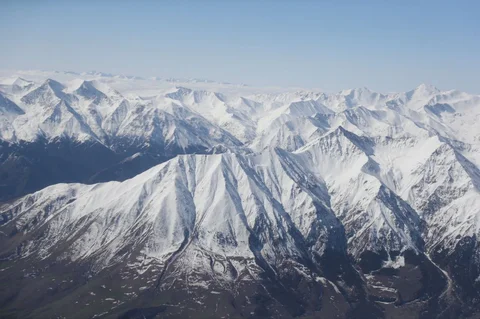
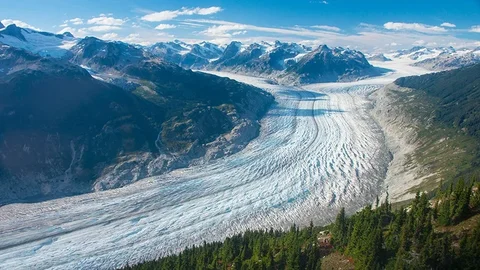
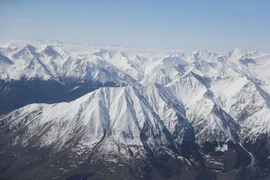
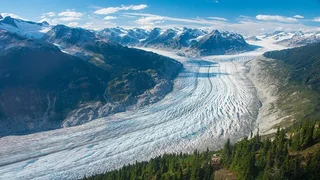
According to the ministry, over the past 60 years, the average annual temperature in Kyrgyzstan has risen by 1.2°C—twice the global average rate. This warming trend poses a serious threat to the glaciers of the Pamir and Tien Shan mountain systems. The state of these glaciers is critical, as they directly influence water availability, agricultural productivity, and ecosystems not only in Kyrgyzstan, but also in downstream countries, including Kazakhstan, Uzbekistan, and Tajikistan.
The impacts of climate change are creating substantial challenges for the socio-economic well-being of mountain communities. In response, Kyrgyzstan has been actively advancing international initiatives for decades to preserve mountain ecosystems and strengthening the resilience of mountain populations to climate change.
As a result, Kyrgyzstan has become a key initiator of international climate action within the UN. The main goal of these initiatives is to attract funding and investment for the protection of mountain environments and the sustainable development of the populations in these regions. Following the major conferences, COP29 in Azerbaijan in 2024 and COP30 in Brazil in 2025, a commitment was approved to mobilize at least $1.3 trillion annually by 2035 to combat climate change. These funds will provide important support for the adaptation of developing countries like Kyrgyzstan to new environmental conditions.
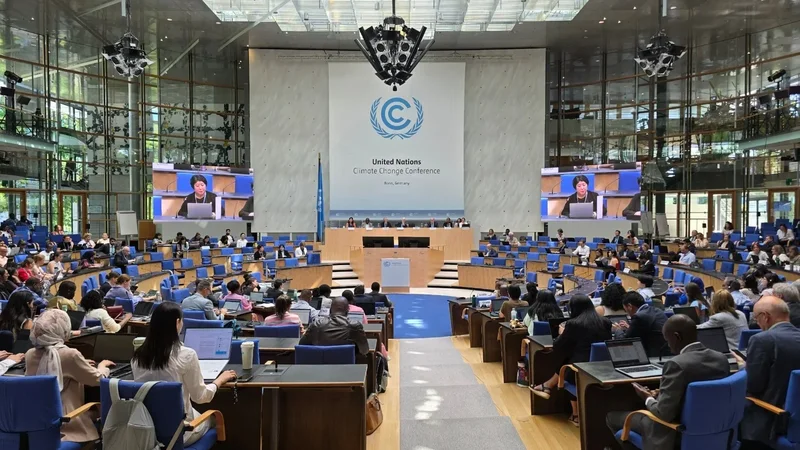
Holding such international dialogues annually is of strategic importance for Kyrgyzstan. High-altitude issues and the protection of mountain ecosystems against the backdrop of global climate change are being discussed at global forums involving international and non-governmental organizations, scientists, and mountain communities, developing solutions and proposing concrete measures.
Kyrgyzstan is currently promoting two important strategic initiatives internationally. The first is the Mountain Countries Development Fund. This initiative envisions the creation of financial mechanisms whose funds will be directed exclusively toward supporting mountain ecosystems. The second is the Global Center for Sustainable Mountain Development in Bishkek. At the national forum, held in Bishkek on April 2, 2026, Deputy Cabinet chairman Edil Baisalov announced the construction of a modern seven-story Global Mountain Science Center in the capital.
The new center will include specialized institutes and research departments focused on water resources, geophysics, mountain medicine, climatology, and ecology. Its launch is scheduled to coincide with the World Mountain Summit, which will take place in Bishkek in October 2027.
Small business development in the regions and the introduction of technologies into everyday life
In an interview with the Kabar News Agency, Dinara Kemelova, Special Representative of the President of Kyrgyzstan for the Mountain Agenda, announced the approval of the implementation plan for the Roadmap for the "Five Years of Action for the Development of Mountain Regions" for 2026.

"In 2026, priority areas will be promoting the mountain agenda internationally, strengthening regional cooperation, and implementing practical measures to improve the quality of life of mountain populations," she noted.
At the regional level, key priorities include preserving mountain ecosystems in Central Asia, restoring degraded landscapes, advancing glacier research, and strengthening interstate cooperation on climate change.
At the national level, the focus is on improving living standards in mountainous areas. This includes expanding access to mobile communications and internet services, as well as ensuring reliable access to drinking water, stable energy supply, and healthcare.
Priority areas also include promoting the green economy, developing organic farming zones, and creating favorable conditions for small and medium-sized businesses. Additional measures involve the introduction of energy-efficient technologies in households and the modernization of road infrastructure.
“Furthermore, measures are envisaged to preserve biodiversity and unique natural areas, as well as to develop geoparks. This year, targeted actions will focus on reducing natural disaster risks, monitoring glaciers and high-mountain lakes, implementing early warning systems, and strengthening the resilience of mountain communities to climate change,” said Dinara Kemelova.