


Following a phase of explosive economic growth, trend particularly evident in Central Asia, the countries of the Eurasian partnership must identify ways to forge qualitatively new connections capable of ensuring long-term, sustainable development. Since immediate gains offer only short-term benefits, cooperation between regional economies must be built upon a foundational framework, a core structure around which an architecture for long-term engagement can take shape.
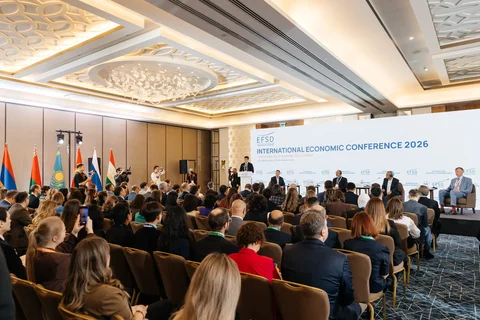
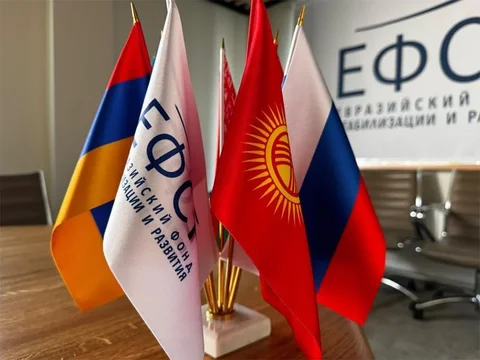
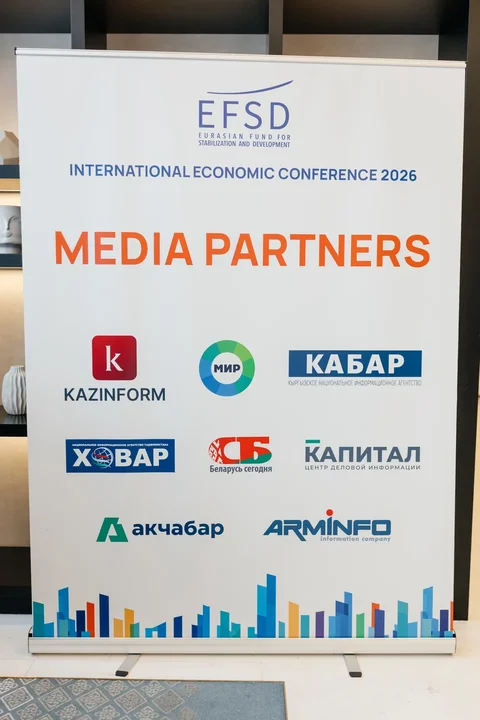
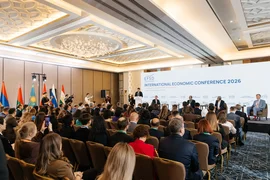
An international conference titled "Towards Balanced Economic Development" is currently underway in Astana. The forum is organized by the Eurasian Fund for Stabilization and Development (EFSD), a financial institution established by the governments of Armenia, Belarus, Kazakhstan, Kyrgyzstan, Russia, and Tajikistan. The EFSD-hosted dialogue has brought together heads of financial authorities from these partner nations, alongside analysts and leading experts. Their primary objective is to identify solutions that will foster sustainable economic development across the Eurasian region.
While these economies are growing, their value chains remain quite short and underdeveloped. In other words, the level of interaction and industrial cooperation between these nations is currently insufficient, even though, in the long run, this could prove to be the decisive factor for the sustainability of the Eurasian partnership. Neighboring countries must go beyond simple trade; they need to collaborate on the creation of complex, high-tech products. By working together, these nations are well-positioned to establish closed-loop production cycles, delivering finished devices and mechanisms to the market.
Experts emphasize that such regional partnership projects require support. Launching them is vital, as they would be less susceptible to external market fluctuations, a key component of strategic resilience. In other words, a Greater Eurasian Partnership could become a self-sufficient and economically efficient zone of friendly development, one where maximum value added is generated. We must work purposefully toward this goal, starting now.
The creation of new logistics chains and the development of a Eurasian transport framework are generating growth hubs that should be leveraged more actively. Sergey Ulatov, EFSD Chief Economist emphasized that when the economies of neighboring countries complement one another, their overall efficiency increases significantly. This is a major, high-level undertaking that needs to be addressed as soon as possible. At present, however, the region’s economies remain unsynchronized and are not yet aligned toward achieving common objectives.
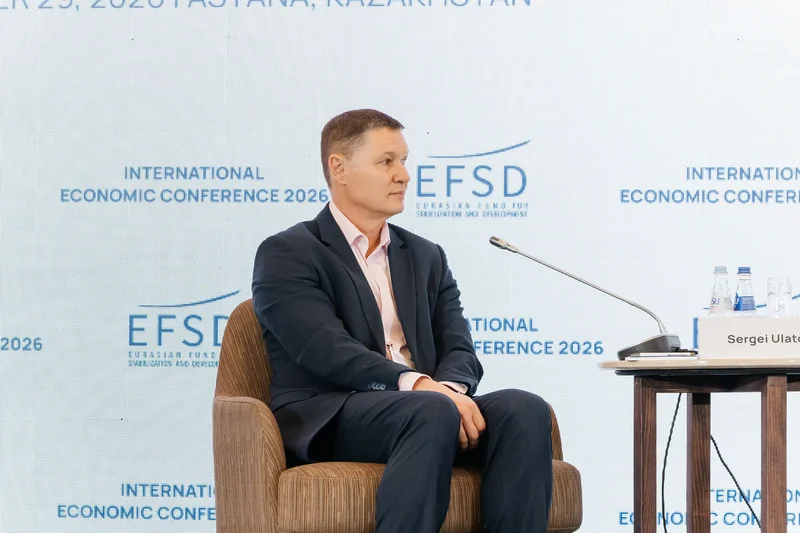
"We examined how our economies are integrated into existing value chains. It turns out that, despite ongoing structural transformations, these chains remain very short.
Our countries primarily participate in only specific segments of production cycles, while a significant portion of the final value added is created elsewhere. Furthermore, these chains are largely focused on raw-material sectors," explained EFSD Chief Economist Sergey Ulatov.
EFSD notes that there are currently reserves and resources available to support the creation of longer value chains. High-tech products, developed through the collaboration of multiple partners not only generate substantial value added but also foster industrial cooperation and create new jobs.
Cooperation in the energy sector could serve as a vital starting point for a fundamentally new level of regional economic engagement. This sector acts as a key driver, pulling other sectors along with it and directly influencing the pace of development.
Yaroslav Mandron, EFSD Managing Director highlighted the importance of infrastructure projects that align the interests of several countries. "We see a great deal of mutual interest and significant positive impacts resulting from the projects we are implementing in various countries. For instance, the Kambarata HPP-1 project, in our view, is of great importance not only to Kyrgyzstan but also to Kazakhstan and Uzbekistan. We are carefully examining projects aimed at addressing water-related issues in border areas, as well as initiatives in the transport sector. We would like to focus on several key areas. First is energy—specifically, hydropower.
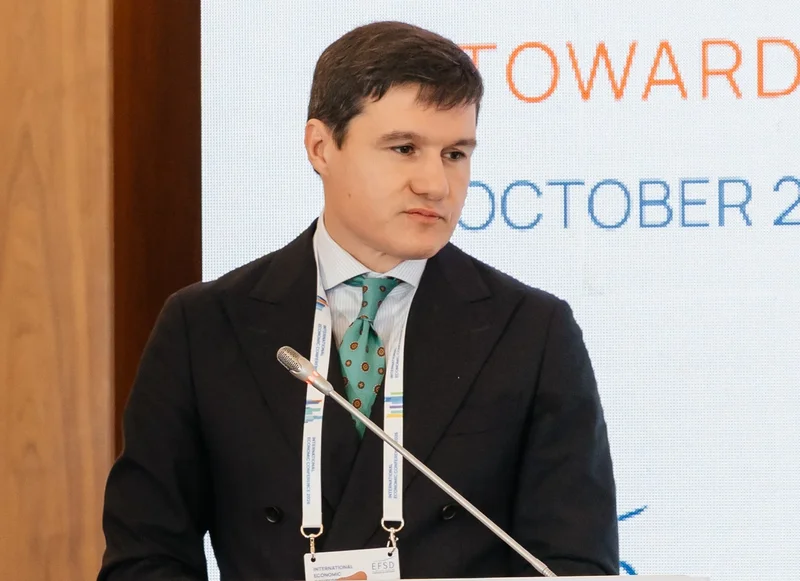
Second is water resources, which encompasses both water supply for agriculture and access to clean drinking water for the population. Third is transport infrastructure. We believe that these areas hold truly great potential for the entire region," emphasized Yaroslav Mandron.
Moving toward the creation of a new architecture for economic ties within the Eurasian space is essential for shifting onto a trajectory of long-term, balanced development. The region’s future stability will depend on how successfully its partner nations implement major multilateral projects. Achieving shared benefits is possible only through the synergy of joint efforts and mutual support.
Experts believe that by operating within the framework of such a partnership, the Eurasian development space will be able to fully unlock its potential, while significantly broadening the horizons for cooperation.