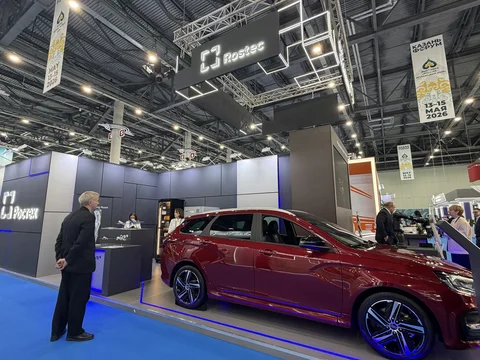
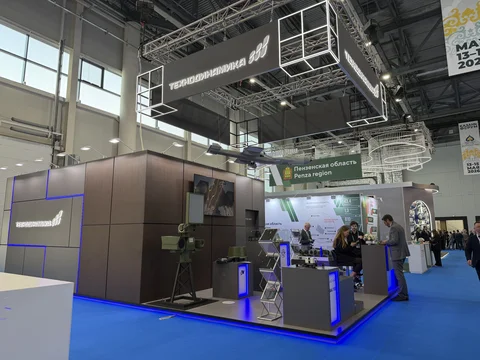
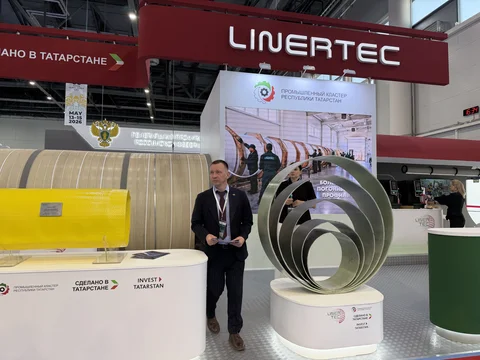
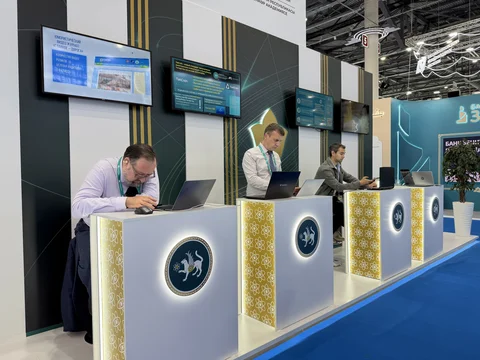
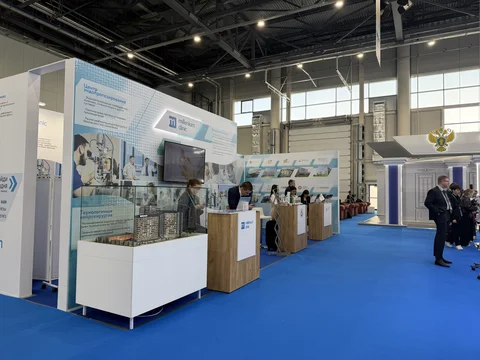
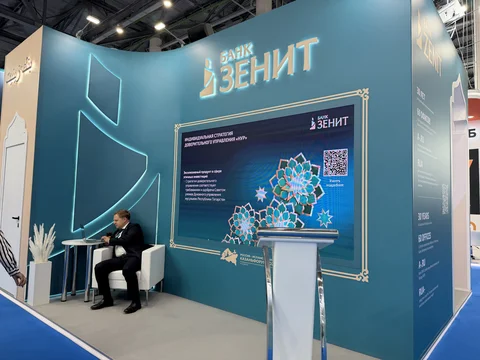

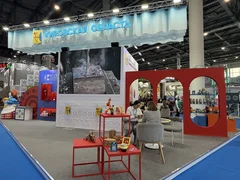
KAZAN, May 15, 2026 /Kabar/. The International Exhibition of Cooperation between Russia and the Islamic World became one of the central attractions of KazanForum 2026, presenting major industrial, technological, financial, and cultural projects from Russian regions and foreign partner countries.
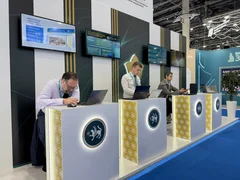
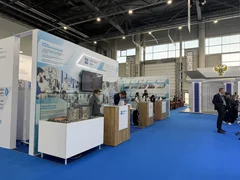
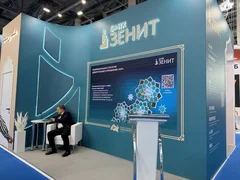
The exhibition was divided into three thematic zones: Russian regions, industrial companies and sponsors, and international participants from the Islamic world.
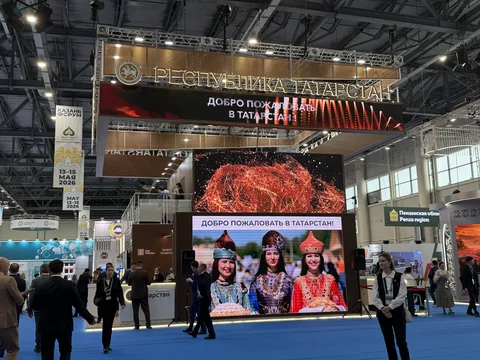
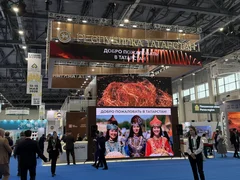
The central stand of the exhibition was dedicated to the Republic of Tatarstan, the host region of the forum. Presented under the concept “Tatarstan — a Bridge of Trust: Halal Economy and Partner Finance,” the stand highlighted the republic’s role as a key hub connecting Russia with countries of the Organization of Islamic Cooperation (OIC).
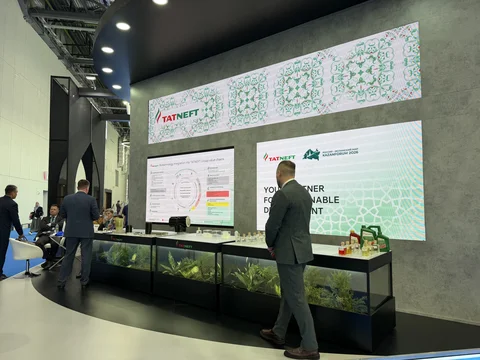
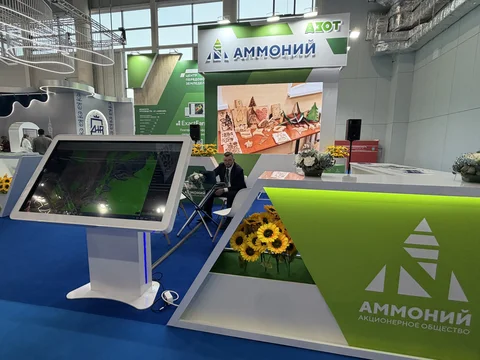
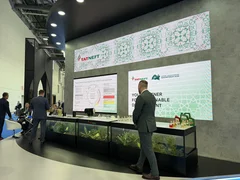
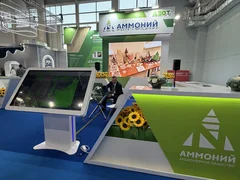
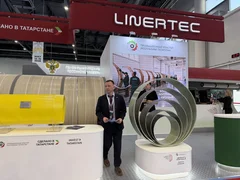
Visitors were introduced to projects in Islamic finance, logistics, industry, IT, and humanitarian cooperation. Tatarstan’s leading enterprises, including Tatneft, TAIF, Ammoni, Tagras, and SIBUR, showcased developments in petrochemicals, energy, smart agriculture, industrial services, and sustainable technologies.
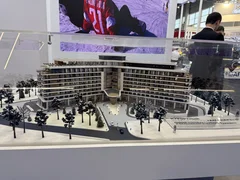
Special attention was also given to infrastructure and innovation projects. The state company Avtodor presented the development of the M-12 Vostok highway, which is expected to become part of a future international transport corridor linking Europe and Asia.
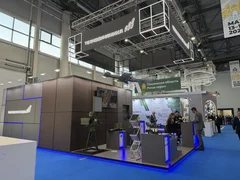
The exhibition also featured advanced technologies in medicine, robotics, artificial intelligence, digital healthcare, and industrial automation. The IT Zone demonstrated projects in engineering modeling, robotics, and AI solutions, reflecting Tatarstan’s growing reputation as one of Russia’s leading digital regions.
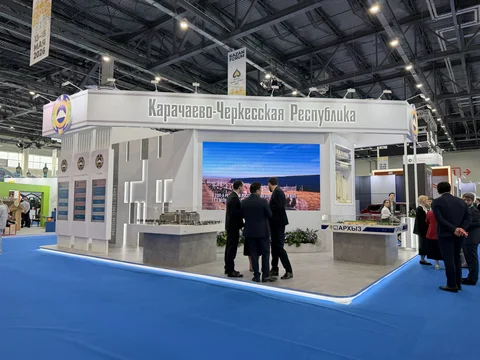
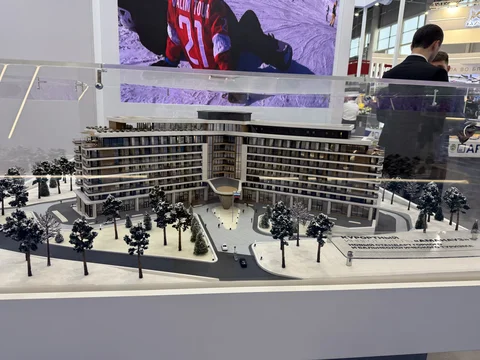
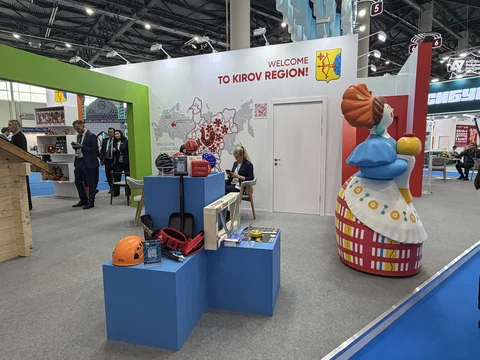
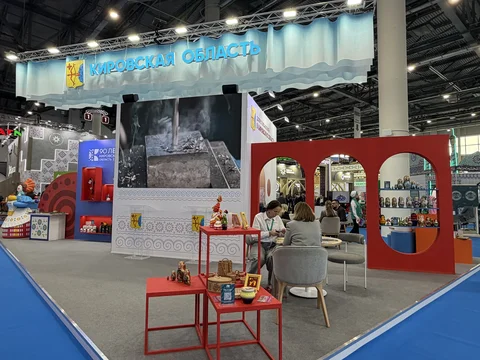
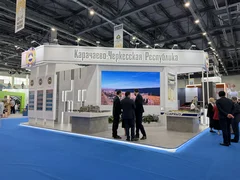
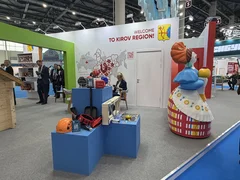
Several Russian regions, including Mordovia, the Kirov Region, the Penza Region, and the Karachay-Cherkess Republic, presented investment, tourism, industrial, and cultural projects.
The international section of the exhibition brought together participants from Turkiye, Iran, Azerbaijan, Kyrgyzstan, Turkmenistan, Malaysia, Saudi Arabia, Oman, and the United Arab Emirates.
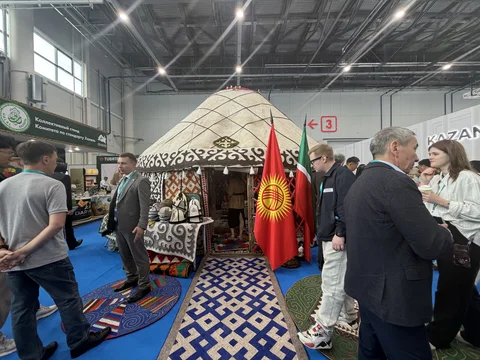
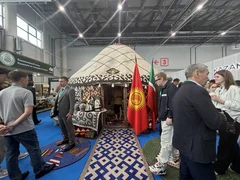
Among the most notable exhibits were the Kyrgyz yurt, symbolizing the culture of Central Asian nomadic peoples, and the stand of Oman, which showcased traditional products such as frankincense, perfumes, honey, and seafood alongside modern logistics and export initiatives.
Malaysia highlighted its achievements in the halal industry and Islamic finance, while the UAE stand focused on global investment opportunities through the AIM Congress platform.
Particular attention was paid to Saudi Arabia’s participation, as Russia and Saudi Arabia celebrate 100 years of diplomatic relations in 2026.
The exhibition demonstrated the growing economic, technological, and humanitarian cooperation between Russia and the Islamic world, while also emphasizing Kazan’s role as a major international platform for dialogue, investment, and innovation.