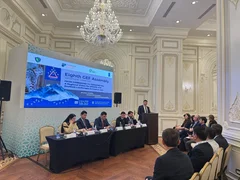

Bishkek, June 5, 2026. /Kabar/. 8th Assembly of the Global Environmental Facility took place in Samarkand, Uzbekistan.
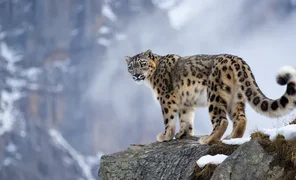
According to the Ministry of Natural Resources, Ecology and Technical Supervision, representatives of Kyrgyzstan, Kazakhstan, Tajikistan, Turkmenistan and Uzbekistan signed a joint statement on the protection of snow leopards, wildlife and sustainable management of mountain areas.
This initiative is being implemented with the support of the Global Environmental Facility and the United Nations Development Program.
In his speech at the meeting, the Minister of Natural Resources of Kyrgyzstan Akyl Toktobaev noted the country's key role in this direction.
"Kyrgyzstan has consistently maintained its leadership position in promoting the international agenda for the conservation of the snow leopard and its mountain ecosystems. We are one of the initiators and most active participants in this global program," he said.
Kyrgyzstan confirmed that it will continue to fulfill the following specific commitments to nature conservation:
- developing special natural corridors for the safe passage of animals from one area to another;
- increasing the network of state reserves and specially protected natural areas;
- using camera traps, drones and GPS systems to monitor wildlife and snow leopard populations;
- encouraging local communities living in mountainous areas to preserve their unique natural heritage and combat poaching.
As noted, such event will pave the way for new environmental investments in the region as part of the program of the next meeting of the Global Environment Facility, an official statement signed by the Central Asian countries. These funds will be used to preserve biodiversity and increase the resilience of mountain ecosystems to climate change.