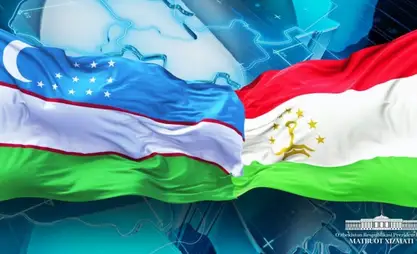
Relations between Uzbekistan and Tajikistan are rooted in deep historical, cultural, and spiritual ties. The two brotherly nations, united by a shared destiny and centuries-old traditions of neighborliness, have progressed along a complex path since gaining independence, from political caution and periods of estrangement to solid mutual understanding, strategic partnership, and trust. Today, their cooperation stands as a vivid example of how good-neighborliness, respect, and shared interests can serve as a strong foundation for regional stability and development, UzA reported.
Diplomatic relations between the Republic of Uzbekistan and the Republic of Tajikistan were officially established on October 22, 1992. This took place during a challenging period when both newly independent states were searching for their own paths of political and economic development. At first, the dialogue was complicated by unresolved issues, including those related to borders, water resources, and transport communications. However, the realization that Uzbekistan and Tajikistan are not merely neighbors but nations closely linked by culture and history laid the groundwork for the gradual strengthening of their ties.
A significant milestone in bilateral relations was the signing of the Treaty of Eternal Friendship between the two countries on June 15, 2000, followed by the Treaty on Strategic Partnership in August 2018. These documents laid the foundation for a new stage of cooperation, identifying political trust, mutual support, and trade, economic, and humanitarian collaboration as key priorities. A special role in strengthening ties between the two nations was played by Uzbekistan’s new foreign policy strategy, aimed at enhancing good-neighborly relations and integration in Central Asia.
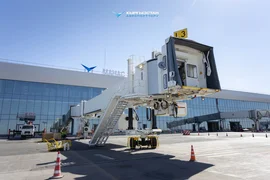
A truly historic event was the state visit of President Shavkat Mirziyoyev to Tajikistan in March 2018, which marked the beginning of a new chapter in bilateral relations. As a result of the visit, over 25 bilateral agreements were signed, including an agreement on visa-free travel for up to 30 days, as well as agreements in the fields of transport, energy, industry, and culture. The launch of direct air service between Tashkent and Dushanbe, the restoration of railway connections, and the revitalization of cross-border trade became tangible outcomes of this renewed partnership.
Special attention is being given to economic cooperation. In recent years, trade turnover between the two countries has increased several times, reaching over $600 million in 2024 and amounting to $184 million in the first four months of 2025, showing a 3.4% growth. During the April 2024 meeting between Presidents Shavkat Mirziyoyev and Emomali Rahmon, both sides reaffirmed their commitment to raising bilateral trade to $2 billion in the coming years. Key areas of cooperation include expanding the range of mutual supplies and establishing new cross-border trade zones, designed to stimulate trade activity.
The expansion of humanitarian cooperation organically complements the development of economic relations. Cultural Days, exhibitions, festivals, and educational exchanges are held regularly, while the youth of both countries actively participate in academic mobility programs. Shared traditions, linguistic similarities, and spiritual closeness provide a natural foundation for the cultural unity of people. Symbolically, in recent years, schools with instruction in Uzbek and Tajik languages have reopened in border regions, which became an essential step in strengthening mutual trust and understanding.
The steady development of cooperation in all areas has naturally brought relations between the two countries to a qualitatively new stage. On April 18, 2024, in Dushanbe, the Treaty on Allied Relations between the Republic of Uzbekistan and the Republic of Tajikistan was signed. This landmark document affirmed the readiness of both states to act in coordination on issues of security, the economy, and humanitarian policy, as well as to support each other on the international stage. In essence, this marks a transition from strategic partnership to allied cooperation, founded on the principles of mutual respect and equality.
Today, relations between Uzbekistan and Tajikistan can rightfully be called a model of successful regional cooperation.
Intergovernmental commissions regularly address practical issues. Joint ventures are actively operating, and transport and energy links continue to expand. Both countries are united in their commitment to strengthening peace and stability in Central Asia, countering modern challenges and threats, and promoting mutually beneficial initiatives within international organizations such as the UN, CIS, SCO, and OIC.
More than three decades of relations between Uzbekistan and Tajikistan represent a history of restored trust, strengthened friendship, and joint progress. Mutual respect, good-neighborliness, and a willingness to seek compromise have become the foundation of cooperation. Today, as Tashkent and Dushanbe have established truly allied relations, it can be confidently stated that the partnership between Uzbekistan and Tajikistan stands as one of the pillars of stability and progress throughout the region.