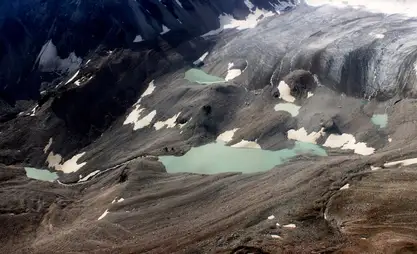
The world is set to set new temperature records in the next five years. The World Meteorological Organization has published the results of new study, stating that the average global temperature will remain at record level in coming years. Therefore, countries around the world are forced to organize their socio-economic life taking into account the new climate conditions. Meanwhile, Kyrgyzstan's mountain agenda is being implemented on the basis of the Roadmap approved by the Cabinet of Ministers. It includes a number of large-scale projects. In the meantime, partner organizations have conducted research in high-mountain villages, which once again confirmed that climate change has had a significant impact on the lives of mountain people over the past five years.
The Food and Agriculture Organization of the United Nations' (UN FAO) project "Sustainable Management of Natural Resources in Mountain Areas conducted the study in At-Bashi district of Naryn region, known for its harsh climatic conditions and livestock farming. This organization is one of the main partners of our country within the framework of the five-year efforts for the development of mountain areas for 2023-2027, announced at the UN on the initiative of Kyrgyzstan.
The survey showed that climate change in At-Bashi district is clearly visible and persistent. In the period from 2020 to 2025, winter snowfall and summer precipitation decreased, and drought increased. The lack of drinking and irrigation water directly affected agriculture and the well-being of the population.
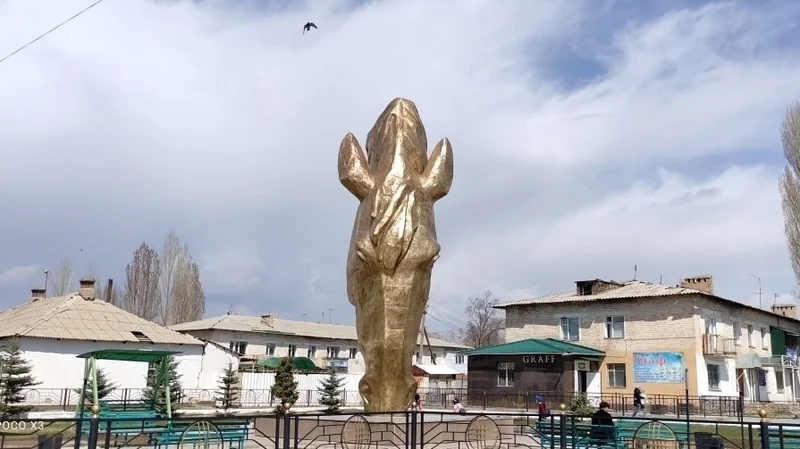
Meanwhile, the socio-economic analysis showed that rural households are highly dependent on climatic conditions, the population is highly vulnerable, and there is a problem of labor migration.
According to UN FAO, the water scarcity, natural resource degradation, and limited adaptive capacity caused by climate change have increased economic and social pressures on rural households.
"The survey identified drought as the main climate risk in rural areas of At-Bashy district since 2020. 72% of respondents noted increase in temperature, 30-90% noted a decrease in precipitation and drought, 54% noted early autumn and increase in frost. And 65% of respondents noted increase of strong winds. In total, almost 98% noted that climate change has led to a decrease in precipitation, an increase in drought, the degradation of natural resources and an increase in extreme weather. At the same time, the most important factor for local communities remains water scarcity, which has a complex impact on agriculture, livestock farming and the level of well-being of the population," UN FAO says.
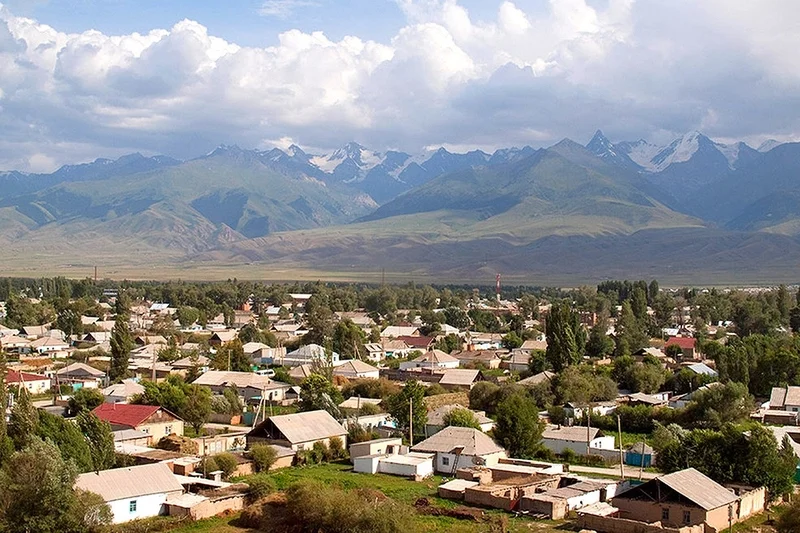
The organization recommends taking measures such as building temporary water basins, digging wells in pastures, restoring irrigation canals, using water-saving technologies, and providing low-cost loans.
Projects in the Roadmap of Kyrgyzstan
Increasing the resilience of mountain people to climate change is also included in the Roadmap of Kyrgyzstan, which is part of the UN's five-year efforts to develop mountain areas for 2023-2027.
Let's look through some of the upcoming projects of the Mountain Agenda:
- Identifying and mapping the poverty level of people in mountainous regions, identifying settlements without schools and kindergartens;
- Implementing the "Asian Mountain Garden" concept aimed at developing natural parks, reserves, and zoos. As part of this, the Botanical Garden in Bishkek should be restored and another botanical garden should be opened in Naryn city;
- Establish international fund for the development of mountain countries. Financial mechanisms should be developed and funds should be allocated to support mountain ecosystems.
- Establish a global center for the stabilization of mountain areas in Bishkek. It is expected that the center will contribute to the development of scientific and expert capacity, expand access to climate finance, and introduce practical solutions at the local level to adapt to climate change, mitigate its consequences, and reduce losses and damage.
- Establish a Mountain Science Center in Kyrgyzstan. It will house institutes and research departments specializing in water resources, geophysics, mountain medicine, climatology, and ecology. It is planned to be launched as part of the World Mountain Summit to be held in Bishkek in October 2027.
- Update the 2006 Red Book of Kyrgyzstan by 2030;
- Develop and implement a mechanism for exchanging external debt for green initiatives, etc.
Glacier National Park Initiative
Kyrgyzstan should implement all the steps mentioned above, and improve performance.
It will increase the capacity of our country to implement climate measures in the eyes of global partners and international donors and will facilitate the flow of investments. Chairwoman of Green Energy public fund, ecologist Anarkul Sultangazieva tells Kabar.
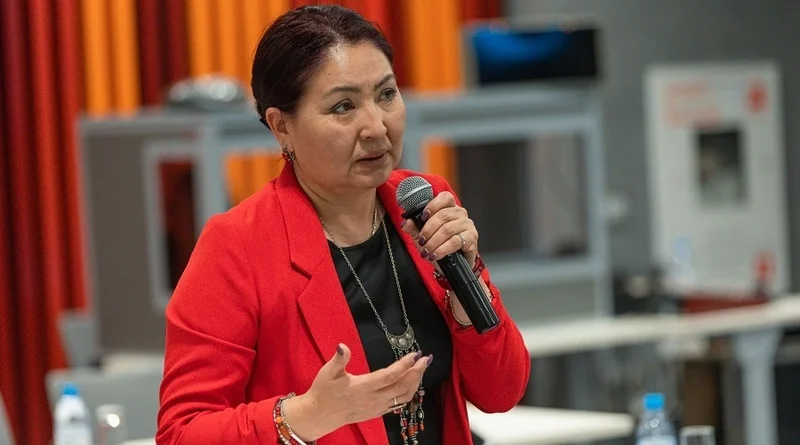
"I fully support the work being done within the framework of the UN Five-Year Plan for Mountain Regions. I have been working on the issue of glaciers and water security for many years. For example, in the American state of Montana, there is a national glacier park called Glacier. It includes only 37 glaciers, and it brings huge amounts of money to the budget. There are about 9 thousand glaciers in our Kyrgyzstan. We could create one national glacier park in the south and one in the north. If he worked under the president and received funding from large donors, the mountain infrastructure would be improved, sustainable tourism and ecological tourism would develop. We do not have beautiful historical buildings like in Samarkand, we only have glaciers, lakes and nature to boast of. The funds from the glacier park would again be spent on preserving permafrost, strengthening monitoring, purchasing equipment, attracting specialists, and paying their salaries. By the way, there is a need to train specialists such as glaciologists and hydrogeologists. They need to be motivated, protected with social packages, and conditions for extensive research of glaciers should be created. Studies will alert us to the level of taking action.
It is also necessary to train specialists in green technologies. About a dozen companies for the installation, operation, and maintenance of equipment are located only in Bishkek and Chui. If the people of the region want to switch to green technologies, but there are no specialists to maintain them, the work will not progress. Moreover, the demand for green technologies has increased, their prices have fallen, and people have become aware of them. However, it is expensive to bring a specialist from Bishkek," said ecologist Anarkul Sultangazieva.
The Five-Year Action Plan for the Development of Mountain Regions (2023–2027) is a global initiative launched by Kyrgyzstan. The five-year plan aims to put global issues related to mountain ecosystems and communities on the international agenda. Over the five years, initiatives are proposed for the sustainable use of natural resources and attracting investment.
Kyrgyzstan is currently preparing to host the Second Mountain Summit "Bishkek+25" in 2027.