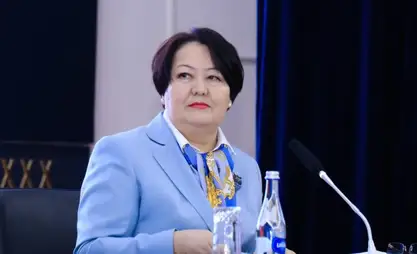
Bishkek, Sept. 24, 2025. /Kabar/. The teacher shortage is a pressing issue not only for Kyrgyzstan but also for neighboring countries, according to Kyrgyz Education Minister Dogdurkul Kendirbaeva.
According to her, the teacher shortage is most acute in Bishkek due to high levels of internal and external migration. The city is growing rapidly, and we don't always have time to build new schools. Some educational institutions are truly short of teachers, and we are working to address this issue, the minister noted.
Kendirbaeva explained that one solution is to recruit senior students from pedagogical universities. According to international practice, third- and fourth-year students can simultaneously continue their studies and work in their field. Recently, the Bishkek City Hall signed an agreement with five pedagogical universities, under which students will begin working in schools on a full-time basis, she said.
The shortage of natural science teachers—physics, chemistry, and biology—is particularly acute. Firstly, teaching hours for these subjects are limited, so teachers are reluctant to go to school." Secondly, there is a significant shortage of Russian-speaking teachers, as there are almost no universities in the regions that train such specialists. Currently, we are relying on the staff we have already trained, the minister emphasized.
Kendirbaeva also reported that Kyrgyzstan is cooperating with Russia and is preparing to recruit approximately 140 teachers from that country.
Furthermore, at the initiative of the Bishkek mayor's office, a targeted training system is being launched. If schools need specialists in specific subjects, the mayor's office will sign contracts with students, fully cover their tuition, and attract the best graduates to work in the capital's schools, she said.
The minister added that President Sadyr Zhaparov supported the idea of converting teachers' deposits into mortgages, which will provide an additional incentive to attract and retain young professionals.
In general, staffing issues fall under the purview of local governments, but we are also taking steps to help address this issue, Kendirbaeva concluded.