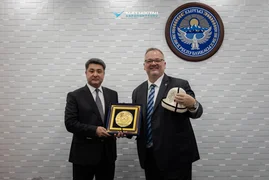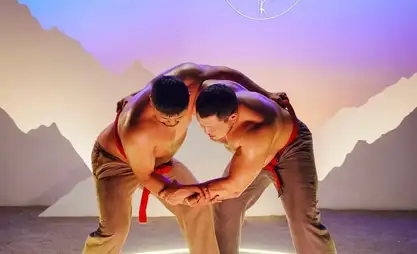
The World Nomad Games is an international project whose significance extends far beyond the sporting competitions. Its main goal is to introduce the global community to the history, culture, traditions, and national sports of nomadic people. One of the key features of the Games is the national wrestling styles that have been preserved for many centuries. Traditional wrestling styles of Turkic-speaking people and representatives of other countries meet on one platform, demonstrating the unique wrestling styles of each people to the world. In this sense, the Games are a unique platform for the preservation and promotion of cultural heritage.
Kyrgyzstan is currently actively preparing to host the 6th World Nomad Games, which will take place from August 31 to September 6. According to organizers, more than 3,000 athletes from at least 95 countries will participate in the Games. They will compete in 43 ethno-sports.
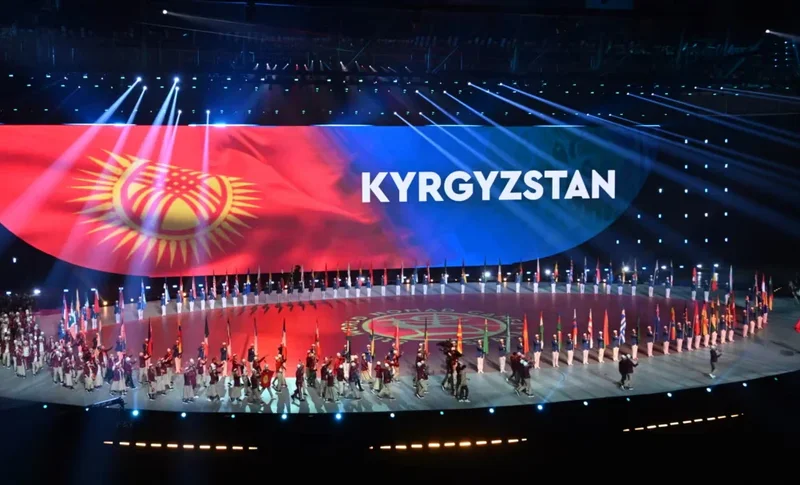
The competition will be held at several venues in Issyk-Kul region, including the Cholpon-Ata hippodrome, the Gazprom sports and fitness complex, the Kyrchyn jailoo, and other specially prepared sports facilities.
One of the main and most distinctive sports at the Games is Kyrgyz wrestling. This national wrestling form, steeped in ancient history, remains an integral part of the World Nomad Games today, celebrating the country's athletic and cultural heritage.
According to Turatbek Toichubekov, honored coach of Kyrgyz Republic and head coach of Kyrgyz Wrestling Federation, the history of Kyrgyz wrestling dates back to the time of Joloi and Koshoi, heroes of Manas epic. Over the centuries, this national sport has evolved in line with the demands of the times, and its rules have been refined.
"In 1928, the first Kyrgyz wrestling championship was held in Balykchy city. Thirty-six wrestlers competed in just two weight categories—up to 75 kilograms and over 75 kilograms." "And in 1966, the first official rules of Kyrgyz wrestling were developed," he noted.
According to him, the systematic development of national wrestling entered a new stage during the years of Kyrgyzstan's independence. Thus, in 2002, the Kyrgyz National Wrestling Federation was established, after which championships and various tournaments began to be held regularly at the national level. In 2013, the federation was reorganized, and in 2018, as part of the World Nomad Games, the International Wrestling Federation was founded with the participation of representatives from six countries. Currently, its president is a representative of Kyrgyzstan, and a representative from the Netherlands has been elected vice president.
Turatbek Toichubekov noted that Kyrgyz wrestling is actively developing internationally today, with world competitions regularly held. One of the most recent major tournaments took place in Kazan, Tatarstan.
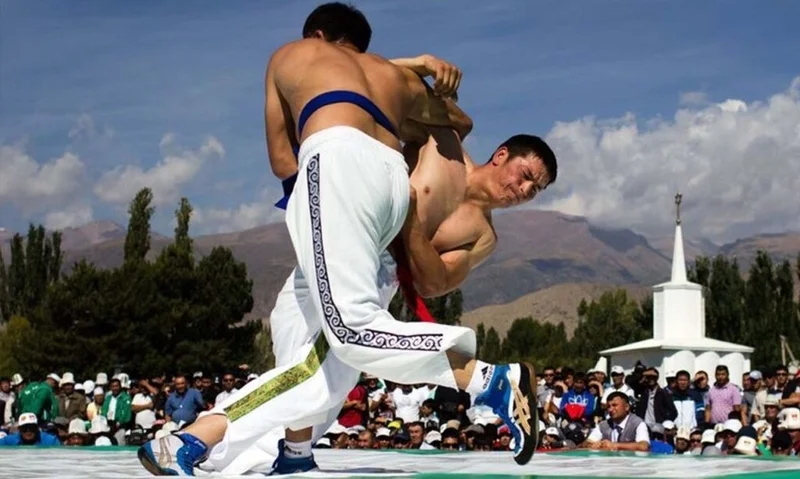
The head coach also told about the peculiarities of Kyrgyz wrestling. He explained that two wrestlers, each with a red and blue belt, compete in a match. In the past, wrestlers competed barefoot, wearing leather pants called kandagai, similar to those worn by Koshoi. Nowadays, athletes compete in white shirt and special white trousers.
"Belt wrestling is similar among many nations. However, the main difference in Kyrgyz wrestling is that the wrestler's hands remain free. After the referee's signal, while holding the opponent's belt, the athlete is free to use any permitted grip. Other belt wrestling styles do not offer this freedom," the coach explained.
He also noted that Kyrgyz wrestling has been a consistent part of the official competition program since the first World Nomad Games.

"This year, wrestlers will compete in three weight categories: up to 60 kilograms, up to 84 kilograms, and over 84 kilograms. The national team is currently preparing for the competition. The first training camp has already been completed, and the second stage is scheduled for July. The team includes world champions, masters of sport, and three of the country's strongest wrestlers, who earned spots in the World Nomad Games by winning the Kyrgyzstan Championship earlier this year," said Turatbek Toichubekov.
Athletes from Kazakhstan, Uzbekistan, Azerbaijan, Turkey, Turkmenistan, Tajikistan, Armenia, Abkhazia, the United States, China, Bangladesh, Bulgaria, the Netherlands, Georgia, Greece, Italy, India, Pakistan, Puerto Rico, Poland, Hungary, Indonesia, and the Philippines are expected to participate in the wrestling competition.
Each of these countries will present their ancient wrestling traditions, making the World Nomad Games even more unique.
Kazakh Wrestling
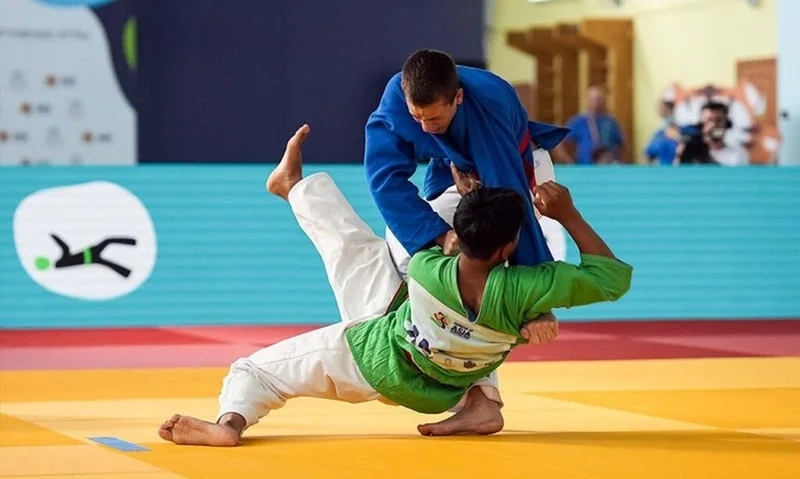
Kazakh wrestling is a national sport. The match is fought entirely standing. Wrestlers can grab the opponent's clothing, belt, arms, and body, using various throwing techniques. The most common are sweeps, hip throws, and chest throws. The rules of Kazakh wrestling are constantly being refined, with special attention paid to the spectacle of the matches.
Uzbek Wrestling
Kurash is an ancient national wrestling style of Uzbek people. Competitions take place on a special mat, and the fight is fought exclusively standing. Ground fighting, strikes, painful and choking holds, and holds below the waist are prohibited. Throws and sweeps are the basis of the technique. Thanks to its simple rules, safety, and spectacular nature, kurash has become widespread internationally.
Gulesh (Azerbaijan)
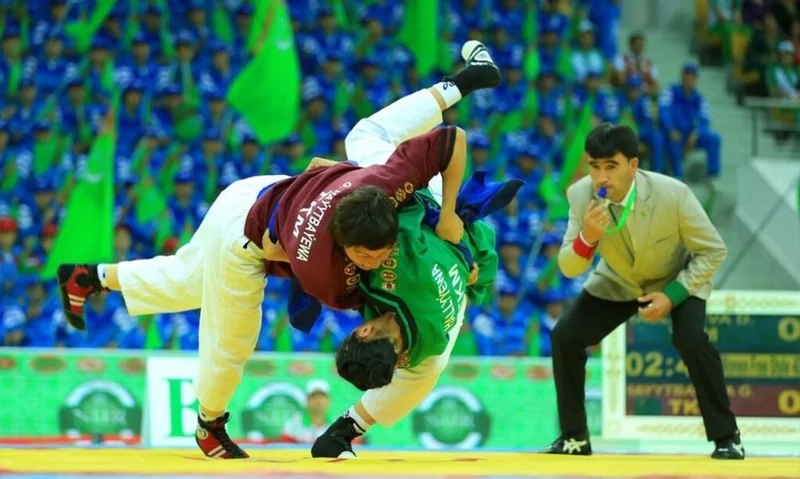
Gulesh is the national wrestling of the Azerbaijani people. Wrestlers compete in special wide trousers, a soft belt, and shoes. During the match, grappling the opponent's body, legs, belt, and trousers is permitted. Some techniques are also permitted on the ground. Traditionally, the match begins with musical accompaniment, and before it begins, the wrestlers perform a special greeting ritual. Victory is awarded to the athlete who manages to pin the opponent or perform the most effective techniques.
Goresh (Turkmenistan)
Goresh is the national belt wrestling of Turkmen people and one of the oldest forms of wrestling in the world. According to historical records, in the past, this sport was practiced not only by men but also by women. For thousands of years, goresh competitions have been held at Turkmen weddings, holidays, and other ceremonial events, and winners have enjoyed great respect in society. Today, goresh remains an important part of the cultural heritage and national sport of the Turkmen people.